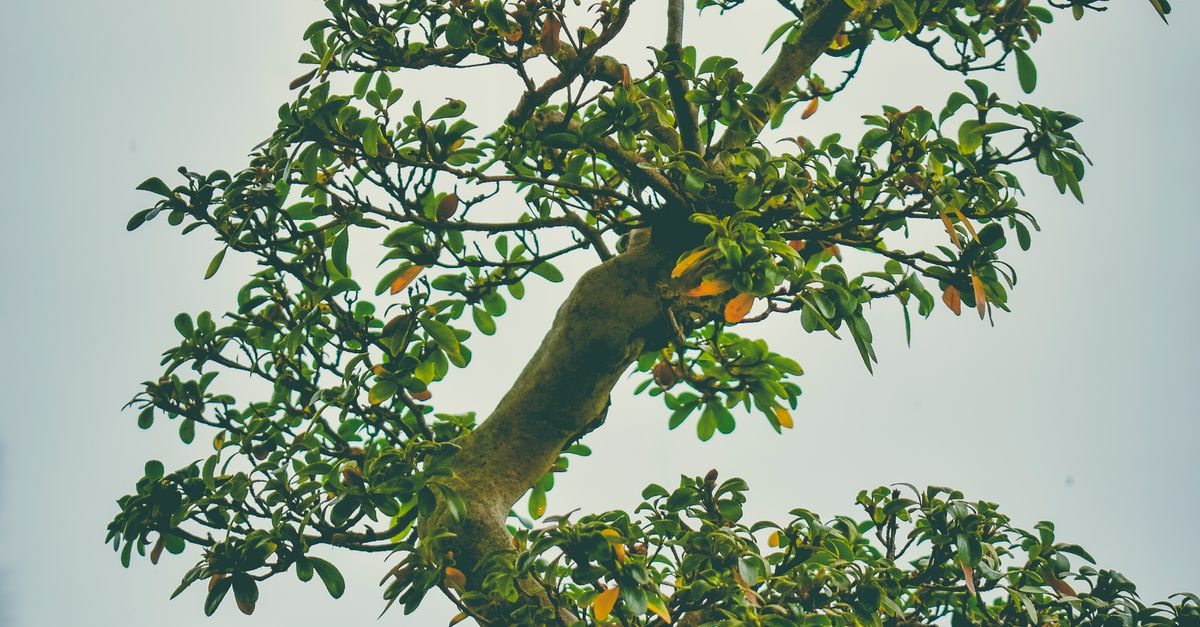
Understanding the Best Practices for Crown Reduction in Melbournes Indigenous Plants
Table Of Contents
Best Practices for Executing Crown Reduction
Crown reduction is a crucial process in managing the health and aesthetics of indigenous plants. Start by assessing the tree's overall structure and health before initiating any cuts. Pruning should be approached gradually, ensuring that no more than one-quarter of the foliage is removed in a single session. This helps prevent stress and maintains a natural appearance. Use clean, sharp tools to ensure precise cuts, minimising damage to the plant tissue. Regular monitoring after each reduction will help gauge the tree's response, allowing for adjustments in future interventions.
Understanding the unique growth patterns of native species is essential during crown reduction. Each plant type may respond differently to pruning techniques, requiring a tailored approach. Aim for a balanced crown shape that maintains the plant's natural architecture while enhancing light penetration and air circulation. It is advisable to prune during the trees’ dormant season to reduce the risk of stress and disease. Remember to remove any dead or diseased branches at the same time, as this promotes overall plant health and encourages robust growth in the following seasons.
Step-by-Step Process
Crown reduction involves several meticulous steps to ensure healthy and sustainable growth in Indigenous plants. Begin by assessing the tree’s overall health and structure. Identify the main branches and determine which limbs should be shortened to maintain the plant’s natural form. Employ clean, sharp tools to avoid damaging the tree. Cut branches at a slight angle just outside the branch collar, promoting better healing and reducing the risk of disease. Ensure cuts are made evenly to maintain balance within the canopy.
Monitoring the tree’s response post-reduction is essential. Observe for new growth and signs of stress over the following months. Regular maintenance activities, such as watering and mulching, will support recovery. Evaluate the need for further pruning in subsequent years to manage growth effectively. Engaging with local horticulturalists or arborists for advice can also provide insight into best practices tailored to specific species found in Melbourne's diverse ecosystems.
Maintaining Balance in Plant Structure
Maintaining a harmonious structure within the crown of indigenous plants is vital for their overall health and resilience. When reducing the crown, it is essential to consider the natural growth habits of each species. This knowledge aids in identifying which branches can be pruned without compromising the plant's integrity. Strategic cuts that follow the natural lines of growth can prevent unsightly stubs and encourage a more balanced appearance.
Balancing the removal of overgrown branches with the retention of vital foliage supports effective light penetration and air circulation. This approach not only enhances the aesthetic value of the landscape but also fortifies the plant against pests and diseases. A well-maintained crown structure will ultimately foster stronger, more vibrant plants that remain congruent with their natural environment.
Ensuring Aesthetic and Ecological Benefits
Crown reduction can significantly enhance both the visual appeal and ecological function of indigenous plants. A well-executed reduction promotes healthier growth by allowing more sunlight to penetrate the canopy, encouraging lower foliage to thrive. This rejuvenated growth can result in a denser, more vibrant appearance, contributing to the overall aesthetic value of the landscape. Moreover, strategically pruned trees can create a pleasing balance between form and density, showcasing their natural beauty while still providing necessary shade and structure.
Ecological benefits are equally important in the context of crown reduction. Adjusting the tree structure can improve habitat availability for various wildlife species, creating additional nesting and foraging opportunities. Such practices can support biodiversity by fostering a healthier ecosystem, which in turn attracts more pollinators and beneficial insects. This thoughtful approach not only contributes to the resilience of the local environment but also underscores the importance of harmonising human interventions with nature.
Impact on Biodiversity
Crown reduction plays a crucial role in preserving the biodiversity of Melbourne's unique ecosystems. By carefully managing the height and spread of indigenous plants, this practice facilitates sunlight penetration and enhances airflow within densely populated areas. These adjustments help maintain healthy understory growth, which is vital for numerous native species. Such environments support critical habitats for insects, birds, and other wildlife, ensuring that these populations thrive rather than dwindle.
Carefully executed crown reduction can also mitigate the risk of invasive species encroaching on indigenous flora. When plants are kept in balance, they can more effectively compete for resources, ensuring that native plants flourish. This balance contributes positively to soil health and nutrient cycling as well, reinforcing the interconnectedness of the ecosystem. As indigenous plants are protected and promoted, local wildlife finds refuge and sustenance, creating a vibrant, biodiverse environment that benefits all.
Supporting Local Ecosystems
Crown reduction techniques play a crucial role in promoting healthy growth among indigenous plants, which in turn supports local wildlife. By carefully selecting branches for reduction, one can maintain the natural shape and structure, allowing plants to thrive while providing food and shelter for various species. This approach not only enhances the overall ecosystem but also contributes to the resilience of local flora and fauna, fostering a balanced environment.
In Melbourne, many indigenous species are interconnected within intricate ecological networks. By implementing effective crown reduction practices, we help to sustain these vital relationships. This contributes to improved biodiversity, as healthy plants can better withstand pests and diseases. Supporting local ecosystems through mindful maintenance encourages a thriving habitat for native birds, insects, and other wildlife, allowing Melbourne’s natural heritage to flourish.
FAQS
What is crown reduction in the context of indigenous plants?
Crown reduction refers to the practice of selectively pruning branches from the crown of a tree or shrub to reduce its size while maintaining its health and structural integrity. This technique is particularly relevant for managing the growth of indigenous plants in Melbourne.
Why is it important to follow best practices for crown reduction?
Following best practices ensures that the plant remains healthy, supports its natural growth patterns, and enhances its aesthetic appeal. Proper techniques also help to minimise stress on the plant and reduce the risk of disease or structural failure.
What steps should be taken in the crown reduction process?
The crown reduction process typically involves assessing the plant’s health, identifying branches to prune, making clean cuts at appropriate angles, and ensuring a balanced shape. It’s important to avoid excessive removal of foliage to maintain the plant's photosynthesis capability.
How can crown reduction benefit local ecosystems?
Crown reduction can support local ecosystems by enhancing the health of individual plants, which in turn benefits wildlife habitats. Well-managed plants provide better food sources and shelter for local fauna, thus supporting biodiversity in Melbourne's natural environment.
Are there specific tools recommended for crown reduction?
Yes, appropriate tools include sharp pruning shears, loppers for thicker branches, and saws for larger limbs. It's essential to use clean and sharp tools to prevent damage to the plant and reduce the risk of disease transmission.
Related Links
Timing and Frequency for Crown Reduction in Melbourne's Diverse ClimateEffective Crown Reduction Strategies for Urban Trees in Melbourne
The Role of Crown Reduction in Tree Aesthetics and Functionality
Common Mistakes to Avoid During Crown Reduction
Risks and Rewards of Crown Reduction in Urban Landscapes
Diagnosing When Crown Reduction is Necessary for Tree Health
Tools of the Trade for Successful Crown Reduction in Melbourne