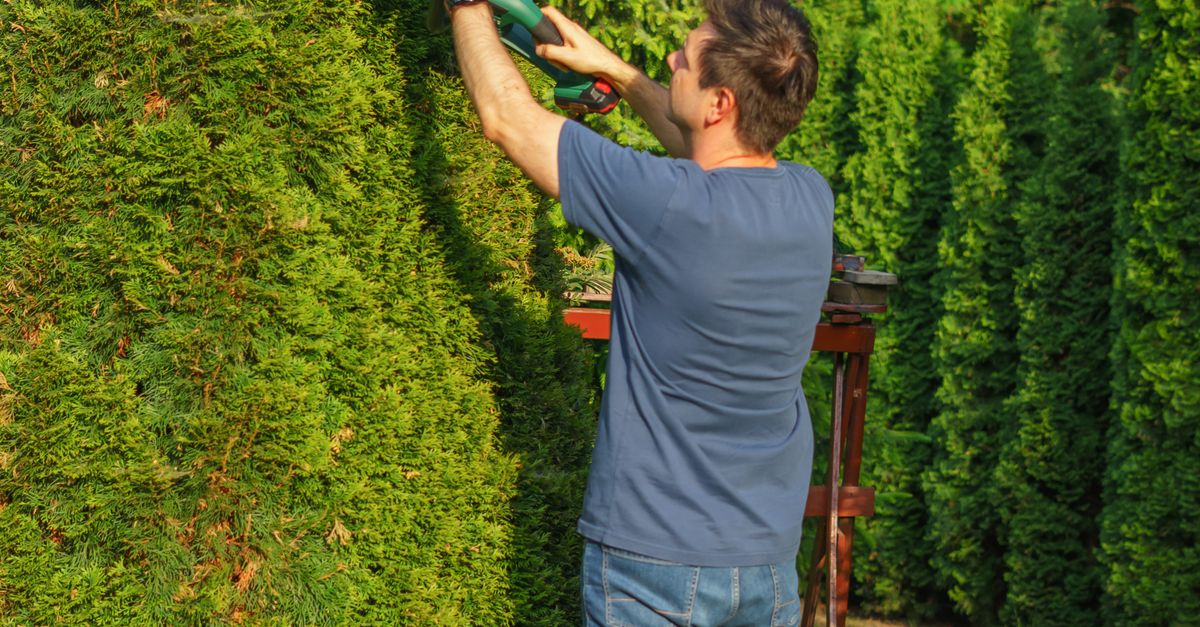
Effective Crown Reduction Strategies for Urban Trees in Melbourne
Table Of Contents
Understanding Local Regulations
Urban tree management in Melbourne is tightly regulated to preserve the city's iconic landscapes and promote ecological balance. Local councils enforce Tree Preservation Orders (TPOs) to protect significant trees from unnecessary harm. These regulations outline the process for obtaining permits when considering crown reduction or similar practices. Understanding these local laws is crucial for tree professionals and property owners alike, ensuring that any modifications adhere to requirements and maintain compliance with the overarching goal of fostering a sustainable urban environment.
In addition to TPO compliance, it is important to recognise the role of community engagement in tree management decisions. Local councils often encourage public consultation before significant alterations are made to tree canopies. This involvement promotes transparency and allows community voices to influence tree management practices. Engaging with local stakeholders can also enhance public support for tree health initiatives while raising awareness about the importance of maintaining healthy urban trees as part of Melbourne's landscape heritage.
Compliance with Melbourne’s Tree Preservation Orders
Melbourne’s Tree Preservation Orders play a crucial role in maintaining the health and diversity of urban forests. These regulations are designed to protect significant trees from unnecessary removal or damage, ensuring a balanced approach to urban development. Before undertaking any crown reduction, it is essential for residents and professionals alike to familiarise themselves with the specific requirements outlined in these orders. Failure to comply can lead to hefty fines and may hinder future landscaping projects.
Obtaining the necessary permits is a fundamental step in the crown reduction process. This involves submitting detailed proposals, which outline the reasons for the proposed work and how it aligns with local conservation goals. Engaging with the local council can provide clarity on these regulations, as well as guidance on best practices for maintaining tree health during and after the reduction process. Ensuring compliance not only preserves the ecological integrity of the urban landscape but also fosters community respect for Melbourne's natural heritage.
Environmental Impact of Crown Reduction
Crown reduction can significantly influence local ecosystems in urban areas, particularly in Melbourne. Reducing a tree’s canopy size affects its ability to photosynthesise, and this can lead to changes in the microclimate surrounding the tree. Less foliage may mean less shade, which can elevate ground temperatures and subsequently impact soil moisture levels. Additionally, alterations in canopy density can disrupt habitats used by birds and other wildlife, leading to a decline in biodiversity.
The practice requires careful consideration of its long-term ecological consequences. Maintaining a balance between urban development and ecosystem needs is critical. Urban trees provide essential services, such as air purification and carbon sequestration, which are vital in densely populated areas. If crown reduction is not performed thoughtfully, it can compromise these benefits, ultimately affecting both human communities and local flora and fauna.
Balancing Urban Development with Ecosystem Needs
Urban development often necessitates the management of green spaces, posing challenges to maintaining ecosystem integrity. The interplay between infrastructure expansion and tree preservation demands that city planners implement strategies that support both growth and biodiversity. This can be achieved through the integration of trees into urban designs, ensuring they are part of landscaping plans and contribute to the overall aesthetic and environmental health of the area.
Ecological considerations should guide decisions on crown reduction, prioritising the well-being of trees alongside infrastructure needs. Engaging with environmental specialists can help identify species-specific requirements and appropriate reduction techniques that minimise harm. By fostering a collaborative approach, it is possible to balance the pressures of urbanisation with the preservation of vital ecological functions, ultimately benefiting both the urban environment and the community's well-being.
Monitoring Tree Health Post-Reduction
Post-reduction monitoring is essential to ensure the long-term health and viability of urban trees. Regular assessments should focus on several key indicators that reflect the overall condition of the tree. Observing leaf density, colour, and size can provide immediate insights into the tree's post-reduction health. Additionally, monitoring for signs of disease or pest infestations is critical, as reduced foliage can make trees more vulnerable. A comprehensive examination of the tree's structural stability and root health should also be conducted to prevent future issues.
Evaluation should occur at specified intervals following crown reduction to gauge recovery. Assessing the regrowth rate and structural integrity of the tree can help determine whether further intervention may be necessary. Implementing a long-term monitoring strategy will allow arborists to document growth patterns and respond to any emerging concerns. This proactive approach helps maintain the balance between urban development and the ecosystem, ensuring that urban trees continue to thrive in their environments.
Indicators of Recovery and Growth
Post-reduction, the health of urban trees can be monitored through several observable factors. New leaf growth is a primary indicator of a tree's recovery and vitality. Healthy leaf density and colour reflect an effective response to the crown reduction process. Additionally, the formation of new shoots or buds signifies that the tree is thriving after adjustments have been made to its structure.
Another important aspect to consider is the overall structure and balance of the tree. As the tree adapts, observing symmetrical growth in branches can suggest that the recovery process is on track. Enhanced root development may also be detected, contributing to a sturdy foundation that supports the tree's ongoing health. Regular assessments using these indicators can ensure that the tree not only survives but flourishes in its urban environment.
FAQS
What is crown reduction in urban trees?
Crown reduction is a tree management practice that involves selectively removing a portion of the tree's crown to reduce its overall size, improve its shape, and enhance safety while maintaining its health.
How do I ensure compliance with Melbourne’s Tree Preservation Orders?
To comply with Melbourne’s Tree Preservation Orders, consult the local council to understand specific regulations, obtain necessary permits before undertaking any crown reduction, and ensure that the work is performed by a qualified arborist.
What environmental impacts should be considered when performing crown reduction?
It's important to consider the impact on local wildlife, air quality, and the tree's role in the ecosystem. Balancing the tree’s health and the needs of urban development is essential to maintain biodiversity in urban settings.
How can I monitor the health of a tree after crown reduction?
Monitoring tree health post-reduction involves observing signs of recovery such as new growth, leaf development, and overall vigour. Regular assessments by an arborist can also help identify any potential issues early on.
What indicators suggest that a tree is recovering well after crown reduction?
Healthy signs of recovery include the emergence of new leaves, consistent growth, and the absence of pests or diseases. Additionally, a strong root system and good water uptake are vital indicators of a tree's health post-reduction.
Related Links
Understanding the Best Practices for Crown Reduction in Melbournes Indigenous PlantsThe Role of Crown Reduction in Tree Aesthetics and Functionality
Common Mistakes to Avoid During Crown Reduction
Risks and Rewards of Crown Reduction in Urban Landscapes
Diagnosing When Crown Reduction is Necessary for Tree Health
Tools of the Trade for Successful Crown Reduction in Melbourne
Environmental Considerations in Crown Reduction for Melbourne Trees