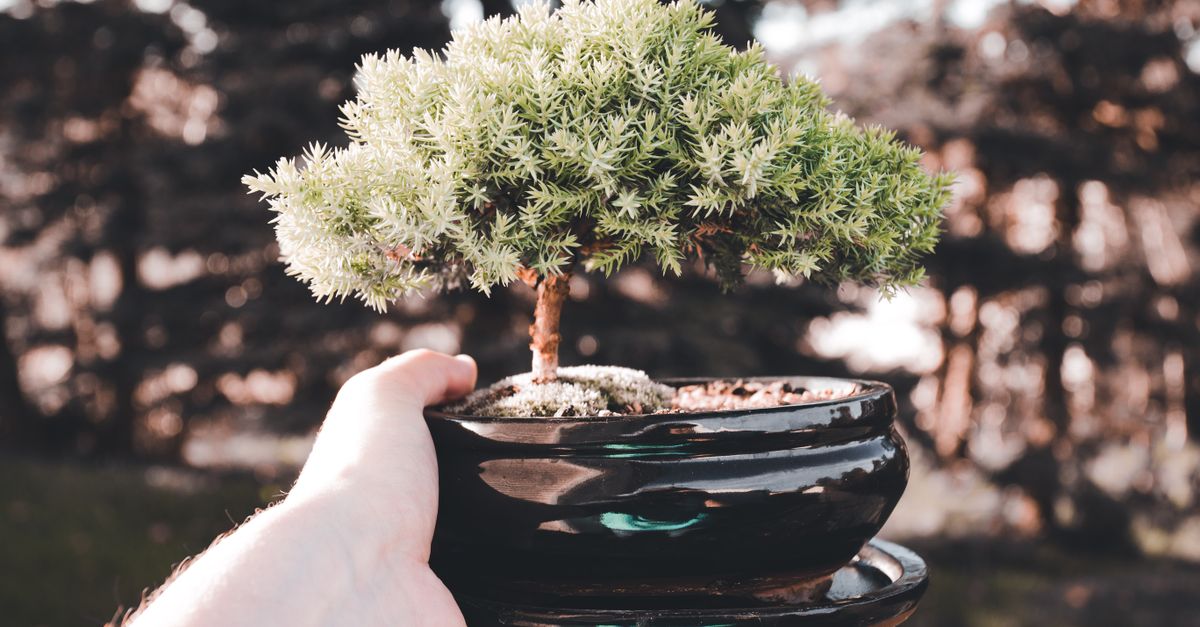
The Role of Crown Reduction in Tree Aesthetics and Functionality
Table Of Contents
Potential Risks Involved
Crown reduction can pose several risks if not carried out properly. One major concern is the potential for stress on the tree. When significant portions of the canopy are removed, it can lead to issues with growth and vitality. Trees rely on their leaves for photosynthesis, and excessive pruning can compromise their ability to produce energy, ultimately weakening the entire structure.
Additionally, improper crown reduction can increase vulnerability to pests and diseases. When large cuts are made, the tree may struggle to seal these wounds effectively. This can attract insects and pathogens, which may result in long-term damage or even the demise of the tree. The balance between aesthetics and health must be carefully navigated to ensure that the tree remains resilient post-pruning.
Avoiding Over-Pruning Dilemmas
Pruning is essential for maintaining a healthy tree structure, but caution must be exercised to prevent excessive removal of foliage. Over-pruning can lead to significant stress on trees, resulting in stunted growth or even death. It interrupts the tree’s ability to photosynthesize effectively and weakens its natural defences against pests and diseases. Understanding the appropriate amount of foliage to remove is crucial. Consulting guidelines can provide insights into how much crown reduction is acceptable for different species.
An important aspect of successful pruning lies in recognition of a tree’s unique characteristics. Factors such as species, age, and surrounding environment influence how a tree responds to pruning. Monitoring the condition before and after pruning helps ensure that the tree remains healthy and well-adapted to its surroundings. Making small, incremental cuts rather than drastic changes can mitigate the risk of damage. This careful approach fosters the longevity and vitality of the tree while satisfying aesthetic and functional goals.
Crown Reduction vs. Crown Thinning
Crown reduction involves removing select branches to significantly reduce the size of a tree's canopy while maintaining its natural shape. This method is often employed to lower the risk of branch failure in high-wind areas or to reduce a tree's height away from structures or power lines. It effectively limits the density of the tree's foliage, which can enhance light penetration and promote healthier growth for nearby plants. However, it is crucial to ensure this pruning method is performed correctly to avoid stress and potential damage to the tree.
Crown thinning, in contrast, focuses on selectively removing branches to decrease the overall density of the canopy without altering the shape or size of the tree. This technique improves air circulation and light exposure throughout the tree while still preserving the tree's overall aesthetic integrity. Thinning can encourage new growth and maintain the tree's health, making it particularly beneficial for established trees that have become overly dense. Each method serves its purpose, and the choice between them depends on the specific goals of the tree care, as well as the tree's species, age, and health.
Key Differences and When to Use Each
Crown reduction involves the systematic shortening of a tree's branches to reduce its overall height and spread while maintaining its natural form. This technique primarily aims to manage tree size and shape for safety or aesthetic purposes. When performed correctly, crown reduction can improve light penetration and air circulation within the tree canopy, enhancing its health and appearance. It can also mitigate risks associated with weak branches, especially in environments prone to storms or heavy winds.
On the other hand, crown thinning focuses on selectively removing branches to reduce density without significantly altering the tree's size. This method does not aim to change the shape of the tree but rather to increase light and air movement through the canopy. Crown thinning is ideal for trees that have dense foliage and require improved structural integrity, allowing them to withstand environmental stresses. Choosing between the two depends on specific goals such as maintaining tree height, promoting health, or improving aesthetics. Understanding the distinguishing factors is essential for effective tree management.
Engaging a Professional Arborist
When considering tree maintenance, enlisting the expertise of a professional arborist can greatly enhance the health and aesthetics of your trees. Certified arborists possess specialised knowledge in tree care and management, which includes understanding species-specific growth patterns, identifying diseases, and implementing proper pruning techniques. Their training ensures that all work performed prioritises tree longevity and overall functionality while adhering to safety regulations.
Choosing the right arborist involves assessing their qualifications, experience, and reputation. Look for someone with relevant certifications and memberships in professional organisations, as this reflects a commitment to the highest standards in the industry. Reading customer reviews and asking for references can provide insight into their reliability and quality of work. Furthermore, seeking an arborist who is familiar with the specific tree types and local environmental conditions can help ensure that the tree management strategies employed are both effective and sustainable.
How to Choose the Right Expert
Selecting the appropriate arborist requires careful consideration of their qualifications and experience. Look for professionals who hold relevant certifications and possess a strong background in tree care. Seeking recommendations from local nurseries or gardening associations can help identify reputable experts. Checking online reviews and testimonials provides valuable insights into their reliability and service quality.
Communication is also a critical factor in the selection process. A good arborist should be willing to explain their methods, discuss the health of your trees, and address any concerns you may have. Engaging in a dialogue about your specific needs will allow you to gauge their understanding of aesthetics and functionality in tree management. Make sure to ask about their approach to crown reduction and other relevant treatments to ensure their techniques align with your goals.
FAQS
What is crown reduction in tree care?
Crown reduction is a tree pruning technique that involves selectively shortening the branches and reducing the overall size of the tree canopy, which can help improve aesthetics, enhance safety, and promote healthier tree growth.
What are the potential risks associated with crown reduction?
The potential risks include over-pruning, which can lead to stress on the tree, increased vulnerability to pests and diseases, and an altered growth pattern. It is essential to follow proper techniques to minimise these risks.
How does crown reduction differ from crown thinning?
Crown reduction involves cutting back the overall size of the canopy, while crown thinning selectively removes branches to improve light penetration and air circulation without changing the tree's overall shape. Both techniques serve different purposes.
When should I consider crown reduction for my tree?
Crown reduction is typically considered when a tree poses a safety hazard due to its size, when it obstructs views or structures, or when it requires maintenance to improve its health and aesthetics.
How do I choose the right professional arborist for crown reduction?
Look for a qualified arborist with experience in crown reduction, check for certifications and references, ensure they have proper insurance coverage, and discuss your specific needs to assess their expertise and approach.
Related Links
Common Mistakes to Avoid During Crown ReductionEffective Crown Reduction Strategies for Urban Trees in Melbourne
Risks and Rewards of Crown Reduction in Urban Landscapes
Diagnosing When Crown Reduction is Necessary for Tree Health
Tools of the Trade for Successful Crown Reduction in Melbourne
Environmental Considerations in Crown Reduction for Melbourne Trees