Risks and Rewards of Crown Reduction in Urban Landscapes
Table Of Contents
Legal Regulations and Guidelines
Local tree management policies exist to safeguard urban trees while promoting healthy growth. Regulations often dictate the specific species that can be pruned, the timing of such activities, and the methods employed. Compliance with these policies ensures that the ecological balance is maintained and helps protect the environment from detrimental practices. Additionally, understanding local laws assists professionals in avoiding fines and navigating the legal complexities surrounding urban forestry.
Consultation with local councils or urban forestry boards can provide crucial information on any necessary permits before undertaking crown reduction. These regulations may vary significantly between regions, making it essential to stay informed about applicable guidelines. Engaging with certified arborists can also offer insights into best practices as they navigate the legal landscape and uphold environmental standards while delivering quality tree management services.
Compliance with Local Tree Management Policies
Local tree management policies are essential for maintaining urban ecosystems while ensuring public safety and aesthetic appeal. These regulations typically define the scope of crown reduction activities, specifying permissible techniques, timing, and the tree species subject to intervention. Compliance not only protects the natural environment but also fosters community trust in urban planning and management.
Engaging with local authorities is crucial when planning crown reduction work. Obtaining the necessary permits and adhering to guidelines helps avoid potential legal repercussions. Tree management policies often involve consultation with arborists and environmental experts to ensure that the chosen methods align with best practices and biodiversity conservation goals. By following these regulations, urban areas can effectively balance development needs with the preservation of green spaces.
Best Practices for Crown Reduction
Crown reduction requires a careful approach to maintain the health of trees while achieving the desired aesthetic and functional outcomes. Assessing the tree's health before beginning the process is crucial. This includes examining the structure, growth patterns, and any signs of disease. Proper timing also plays a significant role; undertaking crown reduction during the tree's dormant season typically minimises stress and promotes recovery. Additionally, it's essential to adhere to local regulations and guidelines to ensure compliance with urban forestry practices.
Utilising appropriate techniques and tools is vital for the successful execution of crown reduction. Pruning equipment should be sharp and well-maintained, reducing the risk of damaging the tree. Arborists recommend employing the “three-cut method” for larger branches to prevent tearing. Cutting no more than 25% of a tree's canopy is advisable to ensure it continues to thrive. Following this practice helps maintain the tree's natural shape and promotes even growth. Regular follow-ups and monitoring after crown reduction can ascertain the tree's health and inform any future maintenance needs.
Techniques and Tools for Safe Execution
Careful planning is crucial when executing crown reduction to ensure the health of the tree and the safety of the environment. Arborists typically assess the tree's structure and health prior to any work, allowing for informed decision-making. Techniques such as reduction pruning involve selectively removing branches from the crown to achieve the desired shape while maintaining the tree's vitality. This method prioritises the tree’s natural growth patterns, thus reducing the risk of shock or disease.
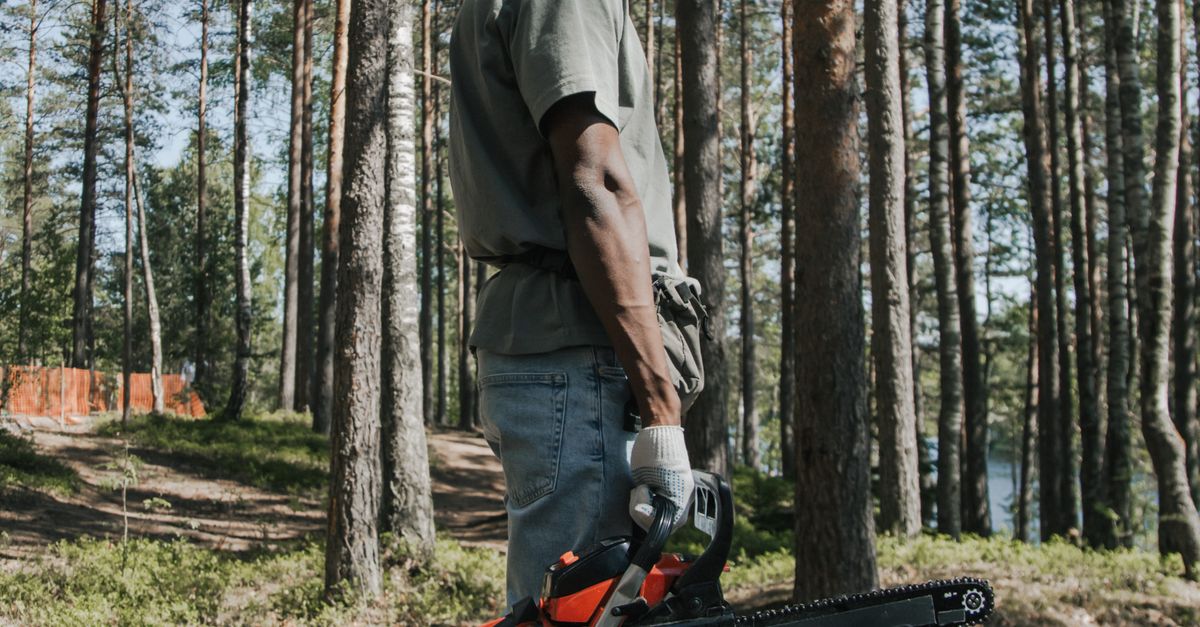
Utilising appropriate tools is essential for effective crown reduction. Pruning shears, handsaws, and pole saws are commonly used to make clean cuts that facilitate healing and minimise damage. For larger trees, chainsaws may be necessary but should be operated by trained professionals to ensure safety. Harnesses and ropes are critical for arborists working in elevated positions, providing both safety and control during the process. Preparing the worksite is another vital step, ensuring the area around the tree is clear of obstacles and hazards.
Case Studies in Urban Areas
In the bustling streets of Sydney, significant tree canopies provide both aesthetic appeal and ecological benefits. A recent project focused on crown reduction of mature figs in a busy park aimed to enhance light penetration for understorey plant health. The work was meticulously planned in consultation with arborists, ensuring tree stability while also improving visibility for pedestrians. Stakeholders observed an immediate positive impact, with both the local community and wildlife benefitting from the altered environment.
Another noteworthy example comes from Melbourne, where crown reduction of overgrown eucalypts took precedence after several storms led to falling branches. Engaging a certified tree management team, the council implemented a systematic approach. The team prioritised careful trunk reductions while preserving the overall structure and health of the trees. Community feedback highlighted improved safety for surrounding residents, while the trees continued to thrive, showcasing the potential benefits of well-executed crown reduction practices.
Successful Crown Reduction Projects
Urban areas often thrive under the canopy of well-managed trees. Successful crown reduction projects in cities like Melbourne have transformed overgrown vegetation into healthier specimens that enhance the overall landscape. By strategically reducing the canopy, these projects improve light penetration and airflow, which encourages growth and reduces the risk of disease. Community feedback has highlighted the aesthetic improvements and increased property values as a direct result of these initiatives.
In Sydney, a detailed case study showcased the crown reduction of older eucalyptus trees in a suburban park. This approach preserved the trees' health while ensuring safety for local residents. The project employed qualified arborists who utilised precise techniques to maintain the trees' natural shape. Observations indicated that local wildlife also benefited, with more nesting sites becoming accessible as branches were selectively pruned. Engaging with community stakeholders throughout the process further solidified the project's success and acceptance among residents.
FAQS
What is crown reduction in urban landscapes?
Crown reduction is a tree management practice that involves selectively pruning the branches of a tree to reduce its height and/or spread, while maintaining its natural shape and health.
Are there legal regulations governing crown reduction in Australia?
Yes, there are specific local tree management policies and regulations that dictate how crown reduction should be performed, including permits and restrictions to ensure public safety and tree health.
What are the potential risks associated with crown reduction?
Risks include tree stress, increased susceptibility to pests and diseases, possible structural instability of the tree, and the potential for adverse effects on local ecosystems if not done correctly.
What best practices should be followed during crown reduction?
Best practices include conducting thorough assessments of the tree before work, using appropriate techniques and tools, ensuring compliance with local regulations, and considering the impact on surrounding vegetation and wildlife.
Can you provide examples of successful crown reduction projects in urban areas?
Yes, successful crown reduction projects often highlight the positive outcomes of careful planning and execution, such as improved tree health, enhanced safety in public spaces, and aesthetic benefits to urban landscapes.
Related Links
Common Mistakes to Avoid During Crown ReductionDiagnosing When Crown Reduction is Necessary for Tree Health
The Role of Crown Reduction in Tree Aesthetics and Functionality
Tools of the Trade for Successful Crown Reduction in Melbourne
Environmental Considerations in Crown Reduction for Melbourne Trees
Step-by-Step Guide to Crown Reduction Techniques for Homeowners
Timing and Frequency for Crown Reduction in Melbourne's Diverse Climate
Understanding the Best Practices for Crown Reduction in Melbournes Indigenous Plants
Effective Crown Reduction Strategies for Urban Trees in Melbourne