The Art of Selective Pruning: Enhancing Aesthetic and Structure
Table Of Contents
Identifying What to Prune
Determining which branches or stems require pruning starts with careful observation of the plant's overall health. Signs of distress may include yellowing leaves, stunted growth, or unusual wilting. Focus on dead or dying branches that detract from the plant's beauty and health. Diseased parts often manifest as discolouration or unusual spots as well. Identifying these issues early can prevent further deterioration and encourage healthier new growth.
In addition to assessing health, consider the plant's form and structure. Overgrown branches can obstruct light and air circulation, leading to poor growth and potential pest issues. Assess the shape of the plant. Sometimes it helps to envision the form you want to achieve, which will guide you in deciding which branches to remove. A thoughtful approach emphasises the plant's natural architecture while fostering its overall vitality.
Recognising Dead, Diseased, and Overgrown Branches
Noticing the signs of dead or diseased branches is key to maintaining healthy trees and shrubs. Dead branches often appear brittle and devoid of foliage, while diseased ones may display unusual discoloration, blackened areas, or oozing sap. Inspecting branches for these indicators is essential, as removing them can prevent the spread of pests and diseases. Ensuring the overall health of your plants starts with recognising these issues early.
Overgrown branches can affect the aesthetic appeal and structural integrity of your plants. These branches might crowd others, block light, or create uneven shapes. Regular assessments help in identifying areas that are out of balance. By addressing these concerns promptly, you can encourage more uniform growth and enhance the overall visual impact of your garden.
Pruning Techniques for Trees
Pruning trees requires careful consideration of both technique and timing. Thinning cuts should be employed to remove branches that crowd the centre, allowing better airflow and light penetration. This not only promotes healthy growth but also enhances the tree's overall structure. It is crucial to make clean cuts just outside the branch collar to minimise damage. Timing is equally significant; pruning while the tree is dormant can help minimise sap loss and shock, while summer pruning may promote denser foliage.
Another effective technique is the reduction of overly long branches to improve shape and aesthetics. Using the three-cut method for larger limbs can prevent tearing of the bark and ensure a more precise finish. Each cut should be made at a slight angle to encourage water runoff, thus preventing rot. Routine maintenance through selective pruning encourages a balanced canopy and prevents overcrowding, which can lead to diseases and pests. Emphasising a well-structured tree not only enhances visual appeal but also contributes to the tree’s longevity and resilience.
Strategies for Maintaining Tree Structure
Maintaining the structural integrity of trees involves a careful approach to pruning. Begin by identifying central leaders and scaffold branches. Ensuring a dominant central leader promotes a strong vertical structure. Select scaffold branches that are evenly spaced around the trunk. This distribution prevents overcrowding and fosters a balanced appearance. Prioritising the health of these branches will help in developing a robust tree structure that can withstand wind and storms.
Regularly assessing and adjusting tree shape contributes to overall stability. Remove competing leaders that can weaken the main trunk. Engage in light thinning, which allows for increased sunlight penetration and air circulation. This not only reduces the risk of disease but also encourages lush growth. It is essential to monitor the tree’s progress and perform adjustments as necessary, ensuring a well-structured and aesthetically pleasing form.
Pruning Techniques for Shrubs
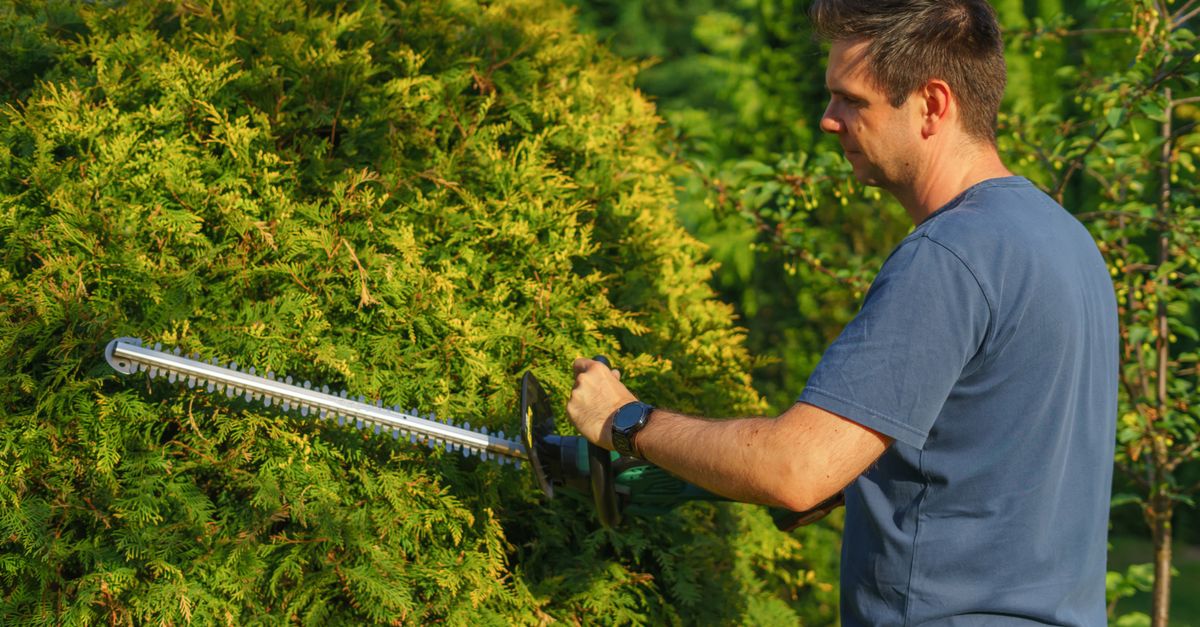
Understanding how to prune shrubs effectively can dramatically enhance their health and visual appeal. Begin by assessing the shrub's overall shape and structure. Target any wayward branches that disrupt symmetry. Employ the technique of thinning by removing selected branches at their base. This not only reduces density but also allows for better air circulation and light penetration. Such practices prevent disease and promote a healthier growing environment.
Shaping is another vital technique that focuses on guiding the shrub's growth direction. This often involves cutting back overgrown areas to promote a more balanced silhouette. Using sharp, clean tools ensures that cuts are clean, reducing the risk of damage. Timing is crucial; late winter or early spring is often the best for most shrubs, as it encourages new growth when the season warms up. Regular maintenance ensures that shrubs remain vibrant and well-shaped throughout their life cycle.
Optimising Growth and Appearance of Shrubs
Selective pruning of shrubs plays a crucial role in enhancing their growth and visual appeal. Beginning with removing any dead or diseased stems allows healthy resources to flow toward thriving parts of the plant. This practice encourages bushy growth rather than leggy extensions. Additionally, thinning out overcrowded branches improves air circulation, which can significantly reduce the risk of fungal diseases in humid conditions.
Regular maintenance pruning at the appropriate times promotes vibrant foliage and flowering. Lightly trimming during the growing season encourages new shoots to develop, resulting in denser growth. To maintain an attractive shape, regular inspection and adjustment of the shrub's size can help achieve an aesthetically pleasing balance within the garden landscape. Understanding the specific needs of different shrub varieties guides the pruning process effectively, ensuring longevity and beauty.
FAQS
What is selective pruning?
Selective pruning is the process of carefully removing specific branches or parts of a plant to enhance its aesthetic appeal and structural integrity, promoting healthy growth and achieving a desired shape.
How can I identify which branches to prune?
Look for dead, diseased, or overgrown branches. Dead branches will be brittle and lack leaves, diseased branches may have discolouration or unusual growth, and overgrown branches can disrupt the tree or shrub’s overall shape.
What tools do I need for pruning?
Essential pruning tools include hand pruners for small branches, loppers for thicker branches, and a pruning saw for larger limbs. It's also important to have protective gloves and safety goggles.
When is the best time to prune trees and shrubs?
The ideal time to prune trees and shrubs typically depends on the species. Generally, late winter or early spring, before new growth begins, is a good time for most trees, while flowering shrubs may benefit from pruning immediately after their blooms fade.
Can pruning harm my plants?
While pruning is beneficial when done correctly, excessive or improper pruning can stress plants and hinder their growth. It’s important to prune selectively and follow recommended techniques to minimise any potential harm.
Related Links
Essential Techniques for Effective Crown Thinning in MelbourneSeasonal Pruning: Timing Your Tree Trimming for Best Results
Tools of the Trade: Best Practices for Pruning with Precision
Using the Three-Cut Method for Safe Tree Branch Removal
Encouraging New Growth Through Proper Pruning Techniques
Common Pruning Mistakes and How to Avoid Them
Advanced Pruning Practices for Fruit Trees in Melbourne Gardens