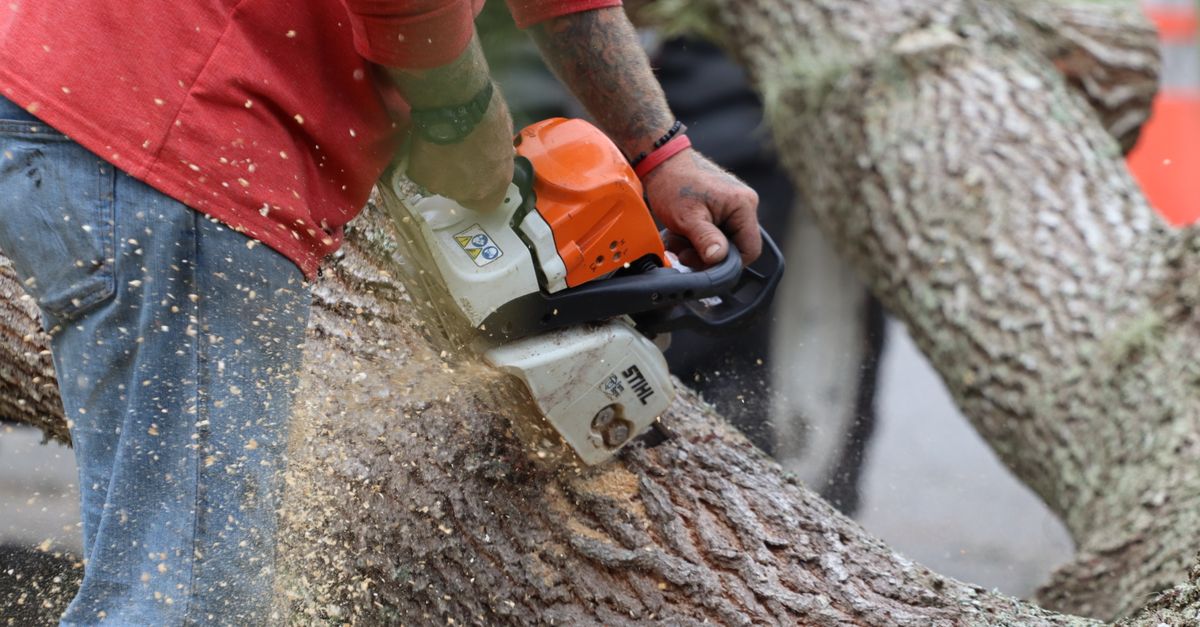
Importance of First Aid Training for Tree Maintenance Professionals
Table Of Contents
The Role of First Aid Training in Accident Prevention
Accidents can happen unexpectedly, particularly in tree maintenance, where professionals often face high-risk situations. Comprehensive first aid training equips workers with essential skills, enabling them to respond promptly to injuries. This proactive approach not only aids in the immediate treatment of injuries but also instills confidence in workers. When employees possess first aid knowledge, they are more likely to take precautions, thereby reducing the likelihood of accidents occurring.
Integrating first aid training into regular safety protocols can create a culture of preparedness and vigilance. Workers become more aware of potential hazards associated with tree care, including the use of heavy machinery and climbing equipment. Training sessions often include simulations and practical exercises that reinforce the importance of quick decision-making in emergencies. As a result, not only does first aid training serve as a reactive measure, it also plays a significant role in fostering a safer workplace environment.
Strategies to Minimise Workplace Incidents
Implementing effective strategies to minimise workplace incidents is essential for tree maintenance professionals. Regular training sessions not only enhance skills but also increase awareness of potential hazards. Conducting safety audits helps identify risks in the work environment, allowing for timely interventions. Proper use of personal protective equipment (PPE) should be highlighted, ensuring that workers understand what to wear at all times. Encouraging open communication about safety concerns fosters a culture where employees feel comfortable reporting hazards without fear of repercussions.
Another crucial aspect involves establishing clear protocols for emergency situations. This includes training workers in recognising signs of distress in colleagues and understanding how to respond accordingly. Scheduled safety drills can prepare the team for potential emergencies, creating familiarity with procedures. Regular reviews of safety guidelines ensure that all personnel are up to date with the latest practices. By combining training with proactive measures, tree maintenance professionals can significantly reduce the risk of workplace incidents.
First Aid Training Programs Available
Numerous organisations offer comprehensive first aid training programs tailored specifically for tree maintenance professionals. These programs emphasise the unique hazards associated with working in outdoor environments and include modules on trauma care, CPR, and emergency response strategies. Participants learn about the importance of rapid intervention in situations such as falls, severe lacerations, or encounters with wildlife. Workshops often combine theoretical knowledge with practical exercises, ensuring learners are well-prepared to handle emergencies effectively.
Certification programs are readily available through reputable institutions and may vary in length and intensity. Some offer one-day courses focusing on essential skills, while others provide more extensive training over several days, covering advanced techniques and assessments. Enrolment in these courses can not only enhance personal safety but also increase workplace compliance with regulatory standards. Many programs are accredited, making them a valuable addition to professional qualifications for those in the tree maintenance industry.
Options for Certification and Training
First aid training is widely accessible through various organisations, providing options that cater to different skill levels and needs. Many providers offer courses specifically designed for the tree maintenance industry, focusing on the types of injuries and emergencies that professionals might encounter in the field. Accreditation from reputable institutions not only enhances the knowledge of participants but also reinforces their credibility within the industry.
Individuals seeking certification should consider both face-to-face training and online courses. Practical sessions are invaluable, as they allow learners to practice techniques in real-time. Online resources can supplement this learning, providing flexibility for those with busy schedules. Ensuring that the chosen program adheres to the latest Australian first aid standards is crucial for effective training.
Real-Life Scenarios of First Aid Application
Accidents during tree maintenance can occur unexpectedly, underscoring the need for immediate first aid response. For example, a worker might suffer a chain saw laceration while cutting branches. In such a scenario, the ability to assess the wound and apply appropriate pressure can significantly minimise blood loss before professional medical assistance arrives. Proper training equips workers to handle these urgent situations confidently, ensuring the well-being of themselves and their colleagues.
Another common incident involves falls from height, which can lead to various injuries ranging from sprains to fractures. Quick application of first aid measures, like immobilising the injured area and keeping the person calm, can help prevent further harm until professional help is available. Real-life examples highlight how essential first aid knowledge is for minimising the impact of such incidents. This knowledge empowers workers to act decisively, potentially saving lives and reducing the severity of injuries sustained on the job.
Case Studies in Tree Maintenance
In a practical application of first aid training, a tree maintenance crew encountered a situation where one of the members fell from a ladder while pruning a large eucalyptus tree. The team had recently completed their first aid certification, which equipped them with the necessary skills to respond quickly. They stabilised the injured worker's neck and back while awaiting medical assistance. Their preparedness not only reduced the severity of potential injuries but also instilled confidence among team members regarding safety practices.
Another case involved a chainsaw incident where a worker accidentally suffered a minor laceration on the forearm. Thanks to the previous first aid training, the crew immediately implemented their knowledge by applying pressure to the wound and preventing excessive bleeding. The individual received proper treatment on-site before being transported to a medical facility for further assessment. This incident highlights the critical role of first aid skills in ensuring prompt and effective responses during emergencies in tree maintenance work environments.
FAQS
Why is first aid training important for tree maintenance professionals?
First aid training is crucial for tree maintenance professionals as it equips them with the skills to respond effectively to accidents and emergencies that may occur while on the job, ensuring the safety of themselves and their colleagues.
What are some common workplace incidents in tree maintenance?
Common workplace incidents in tree maintenance include falls from heights, injuries from falling branches, cuts from tools, and exposure to hazardous conditions. First aid training helps professionals manage these situations promptly.
What types of first aid training programs are available for tree maintenance professionals?
There are various first aid training programs available, including basic first aid courses, advanced first aid courses, and specialised training focused on outdoor and workplace safety, specifically designed for tree maintenance professionals.
How often should tree maintenance professionals renew their first aid certification?
It is recommended that tree maintenance professionals renew their first aid certification every three years to ensure they are up-to-date with the latest techniques and protocols.
Can first aid training improve workplace safety in tree maintenance?
Yes, first aid training can significantly improve workplace safety in tree maintenance by empowering professionals with the knowledge to prevent accidents, respond effectively to emergencies, and foster a culture of safety within the team.
Related Links
First Aid Kits: Must-Have Items for Tree Trimming ActivitiesRecognising Hazardous Situations and Their First Aid Responses
Basic First Aid Skills Every Tree Trimmer Should Master
Managing Allergic Reactions to Tree Sap in the Workplace
First Aid Considerations for Cuts and Lacerations in Arborists
CPR Techniques for Tree Trimming Incidents
Responding to Tree Trimming Accidents: A Step-by-Step Guide
Understanding First Aid Essentials for Tree Trimming Emergencies